Sustainability is reshaping the events industry, and more wholesale buyers are asking the same question: can you actually source biodegradable balloons wholesale, and are they worth it? The short answer is yes, and the options are better than many buyers expect. Whether you run a party supply shop, work as a decorator, or manage a wholesale distribution business, understanding what biodegradable balloons are and how to buy them in bulk will help you make smarter, more responsible purchasing decisions. At Globos Europe, we have built our wholesale range around exactly this kind of thinking.
What are biodegradable balloons, and how do they work?
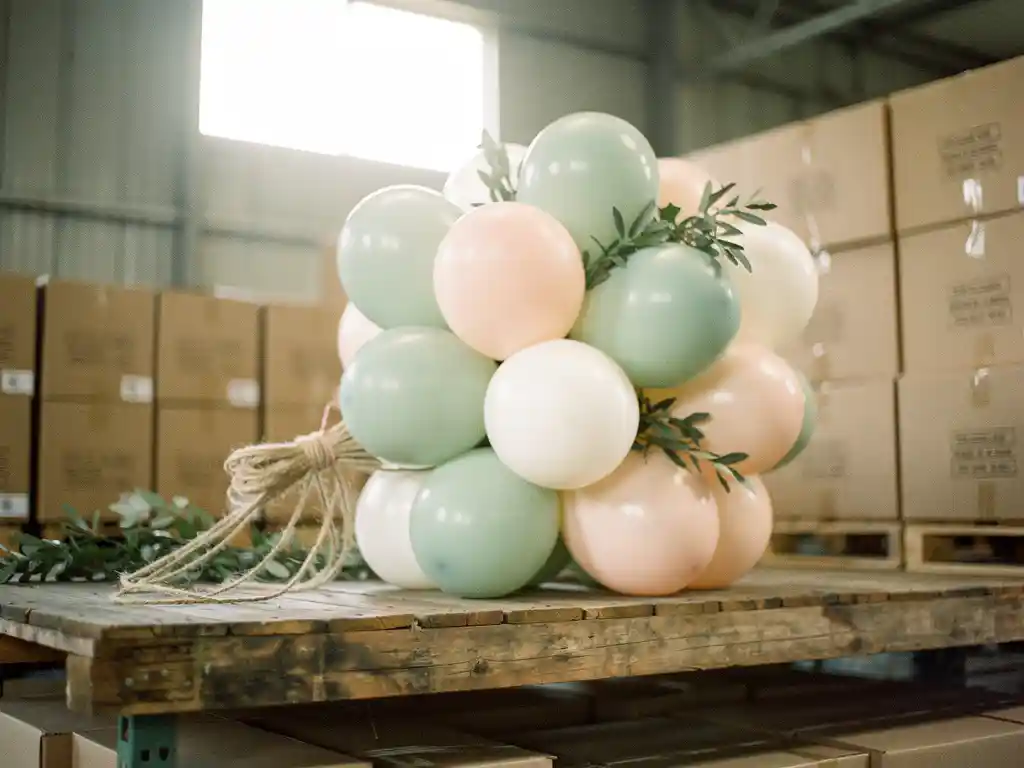
Biodegradable balloons are made from natural materials that break down over time through biological processes. The most common type is the latex balloon, which is produced from natural rubber tree sap. Unlike synthetic plastics, natural latex is an organic material that microorganisms can decompose, making it a more environmentally responsible choice for events and celebrations.
The biodegradation process works because natural latex contains organic compounds that bacteria and fungi can break down. When exposed to moisture, sunlight, and soil conditions, latex begins to degrade. The rate of decomposition depends on environmental conditions, but the key point is that the material does not persist in the environment indefinitely the way synthetic plastics do. This is what separates truly biodegradable balloons from foil or Mylar alternatives, which are made from metallic polyester film and do not biodegrade.
Are latex balloons really biodegradable?
Yes, latex balloons are genuinely biodegradable when they are made from 100% natural latex. Natural rubber latex is derived from the Hevea brasiliensis tree and is classified as a natural organic material. However, the biodegradability of a latex balloon depends heavily on whether it contains synthetic additives, coatings, or dyes that could slow the decomposition process.
It is worth being clear about timelines. Biodegradation does not happen overnight. Natural latex breaks down over months to years, depending on environmental exposure. Responsible manufacturers are transparent about this and do not overstate how quickly their products decompose. When buying balloons wholesale, look for products that clearly state they are made from 100% natural latex and comply with recognised safety and environmental standards, such as the European Toy Safety Directive 2009/48/EC. This certification confirms that the product has been tested and meets established quality benchmarks.
What should you look for when buying biodegradable balloons wholesale?
When sourcing biodegradable balloons wholesale, the most important factors are material transparency, certifications, and supplier reliability. Not all balloons marketed as eco-friendly meet the same standards, so knowing what to check will protect your business and your customers.
- 100% natural latex composition: Confirm that the product is made from natural rubber latex, not a blend with synthetic materials.
- Toy Safety Directive compliance: In Europe, balloons sold for consumer use should comply with Directive 2009/48/EC, which covers safety testing and age labelling.
- No harmful coatings: Some balloons have surface treatments that can affect biodegradability. Ask suppliers directly about any additives used.
- Supplier membership in industry bodies: Suppliers affiliated with organisations like the European Balloon and Party Council stay current with environmental regulations and best practices.
- Minimum order quantities and packaging: For wholesale buyers, check whether the supplier offers bulk packaging that reduces waste and keeps unit costs manageable.
- Consistent quality across batches: Wholesale purchases require reliability. Request samples before committing to large orders.
Being thorough at the sourcing stage saves significant time and reduces reputational risk later, especially as environmental scrutiny in the events industry continues to grow.
Where can you buy biodegradable balloons in bulk?
Biodegradable balloons in bulk are available through specialist party goods wholesalers, trade distributors, and direct-from-manufacturer suppliers. The best sources for wholesale buyers are B2B-focused companies that offer trade pricing, consistent stock levels, and documented product certifications, rather than general retail platforms where product quality can vary widely.
When evaluating where to buy, prioritise suppliers who are transparent about their supply chain and can provide documentation for the certifications they claim. European-based wholesalers are often better positioned to advise on local regulations and can offer shorter lead times for buyers operating within the EU. Trade shows and industry associations are also useful starting points for finding reputable suppliers who specialise in bulk party supplies.
How do biodegradable balloons compare to foil balloons for wholesale buyers?
Biodegradable latex balloons and foil balloons serve different purposes, and for wholesale buyers, the choice often comes down to the end use case rather than a simple better-or-worse comparison. Latex balloons are biodegradable, lower in cost per unit, and available in a wide range of sizes and colours. Foil balloons offer longer float times, sharper printed designs, and a premium look that suits certain events and retail price points.
From an environmental perspective, latex is the more responsible choice for buyers prioritising sustainability. Foil balloons, made from metallic polyester, do not biodegrade and carry a higher environmental footprint. However, foil balloons can be deflated and reused, which is worth factoring into the comparison. For wholesale buyers stocking a broad range, carrying both types makes commercial sense. You can explore our range of foil balloons if you need to complement your eco-friendly latex offering with premium designs for specific occasions.
What are the environmental rules around balloons in Europe?
Environmental regulations around balloons in Europe vary by country, but the overall direction is towards stricter controls on balloon releases and single-use plastics. Several European countries and local authorities have introduced, or are considering, bans on mass balloon releases due to the litter and wildlife hazard they create, even with biodegradable latex products.
Key regulatory points wholesale buyers should be aware of include:
- Balloon release restrictions: Many municipalities across Europe have banned or restricted organised balloon releases. Advising your retail customers on responsible use is increasingly important.
- EU Single-Use Plastics Directive: This directive targets synthetic plastic items. Natural latex balloons are generally not classified as single-use plastics under current EU definitions, but the regulatory landscape continues to evolve.
- Toy Safety Directive 2009/48/EC: Balloons sold in Europe must comply with this directive, which sets standards for materials, labelling, and age recommendations.
- National variations: Countries like France and the Netherlands have active environmental lobbying groups pushing for stricter balloon regulations. Staying informed through industry bodies is essential.
Wholesale buyers who stay ahead of these rules are better positioned to advise their customers and avoid stocking products that may face future restrictions.
How Globos Europe helps you source biodegradable balloons wholesale
We are a B2B wholesale specialist with over 25 years of combined experience in the European party market, and sustainability is built into how we operate. Here is what we offer wholesale buyers looking for biodegradable balloon solutions:
- A curated range of 100% natural latex balloons under our own We Fiesta brand, which are biodegradable and compliant with the Toy Safety Directive 2009/48/EC.
- Membership in the European Balloon and Party Council and Amfori, keeping us current with environmental regulations and responsible sourcing practices.
- FSC-certified and compostable product options alongside our balloon range for buyers building a fully sustainable product offering.
- Private label options for businesses that want to sell biodegradable balloons under their own brand.
- Competitive wholesale pricing with consistent stock availability from our warehouse in Etten-Leur.
- A broad complementary range, including accessories, decorations, and foil balloons, for buyers who want a single reliable supplier.
If you are ready to add biodegradable balloons to your wholesale range, we would love to help you find the right products for your business. Visit Globos Europe to explore our full assortment, or get in touch with our team to discuss trade pricing and ordering options.
Frequently Asked Questions
How should biodegradable latex balloons be disposed of responsibly after an event?
The most responsible disposal method is to deflate latex balloons after use and place them in general waste or composting bins where accepted, rather than releasing them into the environment. Even though natural latex is biodegradable, releasing balloons outdoors creates litter and poses a hazard to wildlife, which is why many European municipalities have banned balloon releases altogether. As a wholesale buyer, educating your retail customers and end users about proper disposal practices is increasingly part of responsible product stewardship.
Can biodegradable latex balloons be used with helium, and does this affect their eco-credentials?
Yes, 100% natural latex balloons are fully compatible with helium inflation and this does not affect their biodegradability, since the latex material itself remains natural and organic regardless of the inflation gas used. However, it is worth noting that helium is a finite, non-renewable resource, so some sustainability-conscious buyers and decorators choose to use air inflation where the event setup allows. For wholesale buyers, offering both helium-compatible and air-fill balloon options gives your customers greater flexibility while supporting a more rounded eco-friendly offering.
What is the typical shelf life of biodegradable latex balloons, and how should they be stored in bulk?
Uninflated natural latex balloons generally have a shelf life of one to two years when stored correctly, though this can vary by manufacturer. To preserve quality in bulk storage, keep balloons in a cool, dry environment away from direct sunlight, heat sources, ozone-producing equipment, and sharp objects, as natural latex is sensitive to UV light and temperature extremes. For wholesale buyers managing large stock volumes, proper warehousing conditions are essential to minimise wastage and ensure consistent product quality for your customers.
Are there any common mistakes wholesale buyers make when switching to biodegradable balloon ranges?
One of the most common mistakes is selecting balloons based on eco-friendly marketing claims alone without verifying material composition or certifications, which can expose your business to greenwashing risks. Another frequent oversight is failing to account for the slightly different handling characteristics of natural latex compared to synthetic alternatives, such as greater sensitivity to temperature during inflation. Finally, some buyers underestimate the importance of supplier consistency, ordering from multiple unverified sources can lead to quality variations that damage your reputation with retail customers. Always request product samples and certification documentation before committing to large wholesale orders.
How can I communicate the eco-friendly credentials of biodegradable balloons to my retail customers effectively?
The most credible approach is to lead with verifiable facts rather than vague sustainability language: highlight that the balloons are made from 100% natural latex, state their compliance with recognised standards such as the Toy Safety Directive 2009/48/EC, and be transparent about realistic biodegradation timelines rather than overstating how quickly they break down. Providing point-of-sale materials, product descriptions, and social media content that explains what makes the balloons biodegradable helps retail customers build trust with their own buyers. If your supplier is a member of industry bodies such as the European Balloon and Party Council, this is also worth communicating as a mark of credibility.
Is it possible to order biodegradable balloons under a private label, and what do I need to get started?
Yes, private label options are available through specialist wholesale suppliers, allowing you to sell biodegradable balloons under your own brand without manufacturing them yourself. To get started, you will typically need to meet a minimum order quantity, provide your branding assets, and confirm the product specifications you require, such as sizes, colours, and any certifications you want featured on the packaging. It is advisable to request pre-production samples to approve print quality and product consistency before placing a full production run, and to clarify lead times upfront, especially if you are working to a seasonal deadline.
Will the demand for biodegradable balloons continue to grow, and is it worth building my range around them now?
All current indicators point to sustained and growing demand, driven by tightening European environmental regulations, increasing consumer awareness, and corporate event buyers applying their own sustainability policies to supplier choices. Wholesale buyers who establish reliable eco-friendly balloon supply chains now are better positioned to meet this demand ahead of competitors who wait for regulations to force the shift. Building your range around certified biodegradable products also reduces the risk of being caught with non-compliant stock if balloon regulations tighten further, particularly around synthetic materials and balloon release practices.