Walking into a party supplies store for the first time can feel overwhelming. Shelves stretch from floor to ceiling, filled with every shape, size, and color of balloon imaginable. Whether you are planning a birthday party, a wedding reception, or a corporate event, understanding the types of balloons available helps you make smarter choices and create more memorable decorations. At Globos Europe, we supply professional-grade balloons and party products to decorators, retailers, and event planners across Europe.
This guide answers the most common questions shoppers and event professionals ask about balloons, from the basics of latex versus foil to which options hold up best outdoors. Read on for clear, practical answers to every question.
What types of balloons does a party supplies store typically carry?
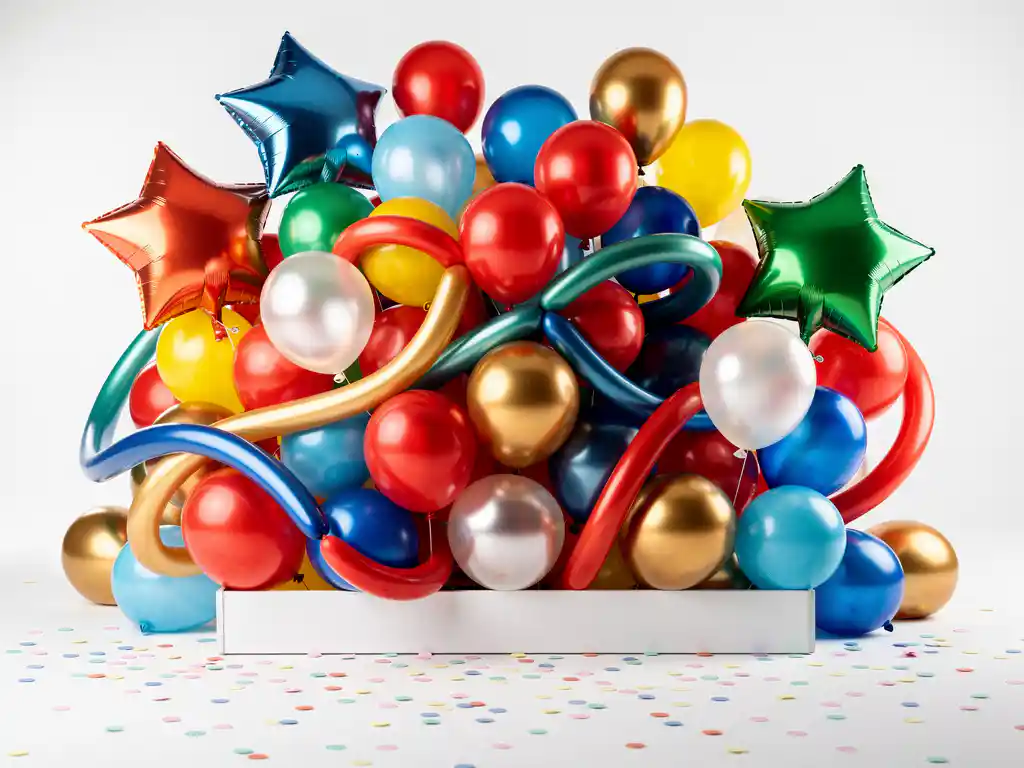
A party supplies store typically carries latex balloons, foil (Mylar) balloons, bubble balloons, and specialty balloons such as giant round balloons or printed balloons. Most stores stock these in a wide range of sizes, colors, and themes to suit birthdays, weddings, baby showers, seasonal celebrations, and corporate events.
Latex balloons are the most common and affordable option, available in standard 11-inch sizes as well as larger formats. Foil balloons come in shapes ranging from simple hearts and stars to licensed characters and number shapes. Many party stores also carry pre-inflated options, balloon bouquets, and balloon kits designed for easy home setup. The variety available at a well-stocked party supplies store means that almost any decorating vision can be brought to life with the right combination of types and colors.
What is the difference between latex and foil balloons?
The key difference between latex and foil balloons is the material and how long they stay inflated. Latex balloons are made from natural rubber and typically hold helium for 12 to 24 hours. Foil balloons are made from metallic nylon film and can hold helium for several days to several weeks, making them a longer-lasting display option.
Latex balloons
Latex balloons are stretchy, lightweight, and biodegradable, which makes them the most environmentally friendly choice. They are available in an enormous range of colors and can be twisted, modeled, or used in large balloon installations. Because they are porous, helium slowly escapes through the material, which limits their float time compared to foil balloons.
Foil balloons
Foil balloons have a sealed, non-porous surface that keeps helium inside for much longer. They are often printed with designs, characters, or messages, making them a popular choice for personalized gifts and themed parties. Their rigid shape also means they hold their form throughout the event, which is useful when a specific silhouette matters to the overall decoration.
What are bubble balloons, and how do they differ from regular balloons?
Bubble balloons are made from a transparent, stretchy plastic film, often called Bobo or PVC. Unlike latex or foil balloons, they are completely see-through and maintain a perfectly round shape when inflated. They can hold helium for several days and are often used to enclose smaller balloons, flowers, or confetti for a decorative, layered effect.
The main difference from regular balloons is both the material and the aesthetic. A latex balloon stretches unevenly and has an opaque finish, while a bubble balloon stays spherical and clear. This transparency makes bubble balloons a popular choice for elegant events such as weddings or product launches, where a clean, modern look is a priority. They are also more durable than latex balloons and less likely to pop from minor contact.
Which balloon types are best for outdoor events?
Foil balloons and large latex balloons are generally the best choices for outdoor events. Foil balloons resist temperature changes and UV exposure better than latex balloons, while large latex balloons are less affected by wind than smaller ones. For outdoor use, air-filled balloons anchored to surfaces or structures tend to outperform helium-filled options in windy conditions.
Heat is a significant factor outdoors. Helium expands in warm temperatures, which can cause balloons to burst if they are inflated to full capacity before being taken outside. Inflating balloons to around 80 percent of their capacity gives the gas room to expand. For decorations that need to last an entire outdoor event, air-filled latex balloons attached to balloon columns, arches, or frames are a reliable, wind-resistant solution.
- Choose foil balloons for longer float times in warm outdoor conditions.
- Slightly underinflate helium balloons to prevent bursting in the heat.
- Use air-filled balloon structures for wind-prone locations.
- Avoid bubble balloons outdoors in direct sunlight, as heat can warp the plastic.
Are latex balloons from party stores biodegradable and safe?
Yes, latex balloons are biodegradable because they are made from natural rubber harvested from rubber trees. They break down over time when exposed to sunlight and air. Reputable party supplies stores stock latex balloons that comply with the Toy Safety Directive 2009/48/EC, which sets strict safety standards for balloons sold in Europe.
It is worth noting that biodegradable does not mean instant decomposition. The breakdown process takes time and depends on environmental conditions. For this reason, responsible disposal still matters, and releasing latex balloons outdoors is widely discouraged because of the environmental impact on wildlife. When used as indoor decorations and disposed of properly, latex balloons remain one of the more sustainable options in party supplies. Always look for products that carry recognized safety certifications to ensure they meet current European standards.
What balloon accessories do party supply stores sell alongside balloons?
Party supply stores typically sell a wide range of balloon accessories, including helium tanks or disposable helium cylinders, balloon pumps, curling ribbon, balloon weights, balloon tape strips, and Hi-Float solution. These accessories are essential for professional-looking displays and help balloons last longer and stay in place.
Balloon weights keep floating arrangements anchored and come in decorative shapes and colors that complement the overall theme. Hi-Float is a gel applied inside latex balloons before inflation that coats the interior and significantly extends float time. Balloon tape strips allow decorators to create arches and garlands without complicated knotting techniques. For retailers and professional decorators, stocking the right accessories alongside balloons is just as important as having a strong balloon range.
How Globos Europe helps with your balloon and party supplies needs
As a B2B wholesale partner, we at Globos Europe supply everything a professional decorator, party store, or event planner needs to create stunning balloon displays. Our range covers the full spectrum of balloon types and accessories discussed in this article, with quality standards that meet European safety and sustainability requirements. Here is what we offer:
- Latex and foil balloons in a wide range of sizes, colors, and themes
- Bubble balloons and specialty formats for premium event styling
- Biodegradable latex balloons compliant with Toy Safety Directive 2009/48/EC
- FSC-certified and compostable products for sustainability-focused buyers
- Balloon accessories including weights, ribbon, pumps, and Hi-Float
- Our own We Fiesta products, with private-label options available
Whether you are stocking a retail store or sourcing supplies for a large event, we are here to support your business with reliable products and professional expertise. Visit Globos Europe to explore our full wholesale range and get in touch with our team to discuss your specific needs.
Frequently Asked Questions
How do I calculate how many balloons I need for a party or event?
A general rule of thumb is to plan for one 11-inch latex balloon per square foot of space for a full balloon garland, or roughly 6–10 balloons per linear foot for an arch. For table centerpieces, a cluster of 3–5 balloons per table is a reliable starting point. It is always wise to order 10–15% extra to account for any that pop during inflation or setup, especially when working with latex balloons at outdoor events.
Can I mix latex and foil balloons in the same decoration or display?
Absolutely — mixing latex and foil balloons is one of the most popular techniques in professional balloon decorating. Foil balloons add structured shapes, metallic shine, and personalized messages, while latex balloons provide volume, color variety, and texture. When combining them, match your color palette carefully and use foil balloons as focal points within a larger latex arrangement, such as a garland or arch, for a polished, layered look.
What is Hi-Float and is it really worth using for latex balloons?
Hi-Float is a water-soluble gel applied to the inside of a latex balloon before it is filled with helium. It forms a coating that significantly slows helium loss, extending float time from the standard 12–24 hours up to several days. For events that require setup well in advance — such as large venue installations or multi-day celebrations — Hi-Float is genuinely worth the added step and cost, as it can dramatically reduce the need for last-minute re-inflation.
What are the most common mistakes people make when inflating balloons for an event?
The most frequent mistakes are over-inflating latex balloons (which increases the risk of popping, especially in warm or outdoor environments), inflating too far in advance without using Hi-Float, and using the wrong gas — air instead of helium for floating displays, or vice versa for balloon columns and frames. Another common oversight is failing to tie balloons securely, which leads to deflation before the event even begins. Always inflate latex balloons to around 80% capacity when they will be used outdoors or in heated venues.
How should I store uninflated balloons to keep them in good condition before use?
Uninflated latex balloons should be stored in a cool, dark, and dry environment away from direct sunlight, heat sources, and ozone-producing equipment such as fluorescent lights or electric motors, all of which degrade the rubber over time. Foil balloons should be kept flat and away from sharp objects to prevent punctures. Ideally, keep balloons in their original sealed packaging until you are ready to use them, and avoid storing them near strong fragrances or chemicals, which can also affect latex quality.
Are there balloon options suitable for buyers focused on sustainability and eco-friendly events?
Yes — for sustainability-conscious buyers, biodegradable latex balloons are the most environmentally responsible choice, provided they are used indoors and disposed of correctly rather than released outdoors. Look for suppliers, like Globos Europe, that also carry FSC-certified and compostable party products to round out an eco-friendly event setup. Air-filled latex balloon structures are another strong option, as they avoid the use of helium (a non-renewable resource) entirely and can be reused or repurposed after the event.
What is the best way for a retailer or event planner to get started ordering balloons wholesale?
The best starting point is to identify your core product needs — the balloon types, sizes, and colors you sell or use most frequently — and then reach out to a reputable B2B wholesale supplier like Globos Europe that stocks a broad range and meets European safety standards. Request a product catalogue and ask about minimum order quantities, lead times, and private-label options if you want to build your own brand. Starting with a focused initial order of bestselling lines before expanding into specialty formats is a practical approach that minimizes risk while you learn what your customers demand most.